
 14622 Ventura Blvd., #202, Sherman Oaks, CA 91403
 Call Us: 818-788-3168
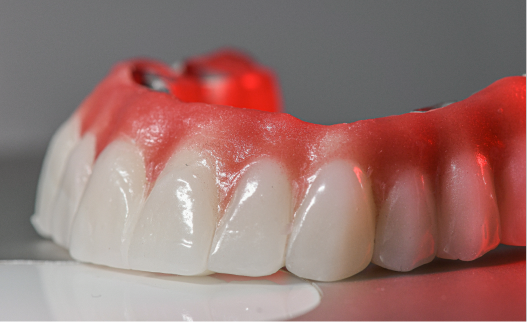
If you’ve ever struggled with loose, uncomfortable dentures that slip when you talk or eat, you’re not alone. Traditional dentures have helped millions restore their smiles — but modern dentistry has evolved.
Enter overdentures — the revolutionary denture alternative that combines the convenience of removable teeth with the security of dental implants. For patients seeking secure dentures that look natural and stay firmly in place, overdentures are transforming smiles and lives worldwide.
What Are Overdentures?
Defining Modern Overdentures
Overdentures are implant-supported dentures that attach securely to dental implants placed in your jawbone. Unlike traditional dentures that rest on the gums, overdentures “snap” into place, providing exceptional stability and comfort.
They can replace missing teeth on the upper jaw, lower jaw or both — offering a smile that looks, feels and functions naturally.
How Overdentures Differ from Traditional Dentures
Traditional dentures rely solely on suction, adhesives or your gum shape to stay in place. Over time, as the jawbone shrinks, these dentures can slip or loosen.
Overdentures solve this by anchoring to implants, creating a rock-solid foundation that won’t budge while eating, talking, or laughing.
Types of Overdentures: Removable vs. Fixed
- Removable Overdentures:These “snap-on” dentures can be easily removed for daily cleaning. They attach to 2–6 implants using small connectors.
- Fixed (Hybrid) Overdentures:Also known as implant bridges or All-on-4® hybrids, these are permanently attached and can only be removed by a dentist.
Both options provide superior comfort compared to traditional dentures, but the right choice depends on your needs, budget, and bone structure.
Why Traditional Dentures Fall Short
The Common Frustrations with Conventional Dentures
While traditional dentures are cost-effective, they come with challenges:
- Slipping and movement during eating or talking
- Soreness and gum irritation
- Difficulty eating certain foods
- Loss of taste sensation
- Shorter lifespan and frequent relining needs
These issues often leave patients feeling self-conscious and limited in daily life.
How Denture Movement Affects Comfort and Confidence
When dentures move or click, even slightly, it can affect more than just your comfort — it impacts your confidence and social interactions. Many denture wearers report avoiding social events, smiling less, and struggling with speech clarity.
Overdentures eliminate this anxiety by offering secure dentures that stay put, allowing you to smile freely again.
How Overdentures Work: A Step-by-Step Overview
The Role of Dental Implants
Overdentures are supported by titanium dental implants placed into the jawbone. These implants act like natural tooth roots, stimulating bone health and providing a stable anchor for the denture.
The Snap-On Mechanism Explained
Once the implants heal, small attachments — such as locator abutments or ball attachments — are connected. The overdenture then “snaps” or locks onto these connectors, creating a tight and stable fit that won’t shift or move during daily activities.
How Overdentures Are Made and Fitted
Your dentist takes precise impressions of your mouth, designs your new teeth digitally, and custom-fabricates your overdenture for optimal fit and aesthetics. The result is a natural-looking smile that feels secure and rejuvenates facial balance.
The Benefits of Choosing Overdentures
Secure Fit and Improved Stability
One of the most life-changing benefits of overdentures is their stability. You can laugh, eat and speak without worrying about slippage.
No more adhesives, no more discomfort — just pure confidence.
Better Chewing Power and Speech Clarity
Because overdentures are anchored by implants, you regain up to 70–80% of your natural bite strength. Foods once off-limits — like apples or corn — are back on the menu.
Speech clarity also improves since the denture stays in place, allowing your tongue to move naturally.
Jawbone Preservation and Facial Support
Implants prevent bone loss by stimulating the jaw, maintaining your facial structure and preventing the “sunken look” common with long-term denture wearers.
Long-Term Value and Durability
Though overdentures may cost more upfront, their durability, comfort, and reduced maintenance make them a smart investment in long-term oral health.
Overdentures vs. Traditional Dentures: A Side-by-Side Comparison
| Feature | Traditional Dentures | Overdentures |
|---|---|---|
| Stability | Relies on suction/adhesives | Secured by implants |
| Comfort | May slip or cause sore spots | Feels natural and secure |
| Bone Health | Accelerates bone loss | Preserves bone density |
| Maintenance | Frequent relines | Long-lasting and stable |
| Chewing Power | 20–30% of natural bite | 70–80% of natural bite |
| Longevity | 5–8 years | 10–20 years with proper care |
It’s easy to see why overdentures are considered a true upgrade — offering more freedom, comfort and confidence every day.
Cost of Overdentures and Financing Options
What Determines the Cost of Overdentures
The cost of overdentures varies depending on:
- The number of implants placed (usually 2–6 per arch)
- Type of overdenture (removable vs. fixed)
- Materials used for the prosthesis
- Dentist’s experience and technology used
In most U.S. markets, including Los Angeles, costs typically range from $8,000–$15,000 per arch.
Insurance Coverage and Payment Plans
Many dental insurance plans now cover a portion of overdenture treatment. For remaining costs, clinics often offer flexible financing through CareCredit® or in-house payment options.
Why Overdentures Are a Smart Long-Term Investment
While traditional dentures might seem cheaper initially, their frequent replacements, adhesives and discomfort often lead to higher lifetime costs. Overdentures provide a lasting solution that improves daily quality of life and oral health.
Who Is a Good Candidate for Overdentures?
Ideal Health and Bone Conditions
You may be a candidate if you:
- Are missing multiple teeth
- Have adequate bone density for implants
- Want a more secure, natural-feeling alternative to dentures
Signs You’re Ready for an Upgrade
If your current dentures cause pain, slip or make you self-conscious, overdentures could be your next step toward a confident, worry-free smile.
The Overdenture Procedure: What to Expect
Consultation and Imaging
Your dentist begins with a comprehensive 3D scan and oral exam to design your customized treatment plan.
Implant Placement
Using guided technology, your dentist will place 2–6 small implants into the jawbone. These act as anchors for your new overdenture.
Healing and Final Restoration
After the implants integrate with your bone (a process called osseointegration), your final overdenture is attached — revealing your new, secure smile.
Caring for Your Overdentures
Daily Cleaning and Maintenance Tips
- Remove and clean your overdentures daily
- Gently brush implants and attachments with a soft toothbrush
- Rinse after every meal to prevent plaque buildup
Professional Checkups and Longevity Advice
Schedule checkups every six months for cleaning and to ensure attachments remain tight. With proper care, overdentures can last 15 years or longer.
Real Patient Transformations: Confidence Restored
From Loose Dentures to Secure Smiles
Patients often describe their overdenture transformation as life-changing. The ability to smile, eat and laugh without worry brings newfound confidence.
Emotional and Lifestyle Benefits
Overdentures don’t just restore function — they restore freedom, joy and self-esteem. Patients frequently share that they feel younger, happier and more like themselves again.
FAQs About Overdentures
1. What are overdentures?
Overdentures are implant-supported dentures that attach securely to dental implants for a stable, natural feel.
2. How many implants do I need for overdentures?
Most cases use 2–6 implants per arch, depending on your jawbone and goals.
3. Are overdentures removable?
Yes — removable overdentures can be taken out for cleaning, though fixed hybrids are permanently attached.
4. Do overdentures hurt?
The procedure is performed under anesthesia, and recovery is typically mild with minimal discomfort.
5. How long do overdentures last?
With proper care, overdentures can last 10–20 years or more.
6. Can I eat normally with overdentures?
Absolutely! You can enjoy most foods again with confidence and comfort.
Conclusion: Why Overdentures Are Worth the Upgrade
Overdentures are more than just a dental treatment — they’re a life upgrade. Offering the perfect blend of comfort, security and aesthetics, they help patients rediscover the joy of smiling, eating and living without worry.
If you’re tired of the limitations of traditional dentures, it’s time to explore secure dentures that truly change your quality of life. Talk to your dentist today about what overdentures can do for your confidence and comfort.
Your best smile begins with the right foundation — and overdentures deliver exactly that.